The BUILD Framework: A Signature Program Framework That Moves Fast
Imani Sloan

You have the expertise. You have probably outlined a signature program in your head a dozen different ways, on napkins, in notes apps, in half-finished slide decks. What you do not have is a structure that turns all that thinking into something you can actually launch. This signature program framework exists to fix exactly that problem.
We built the BUILD framework after watching too many talented program creators, coaches, and growing entrepreneurs get stuck circling the same ideas for months without ever opening enrollment. The issue was rarely a lack of knowledge. It was a lack of sequence. Here is the sequence we use with our own clients.
Why Most Signature Programs Never Launch
Most stalled programs are not stalled because the creator lacks expertise. They are stalled because the creator is trying to design curriculum, marketing, pricing, and delivery format all at once, in no particular order. That approach creates a tangled mess of half-decisions that never quite feels finished.
The BUILD framework solves this by giving you one thing to focus on at a time, in an order that actually makes sense. Each stage produces something concrete before you move to the next.
B: Brainstorm the Transformation, Not the Curriculum
Before you touch a single module or lesson, get specific about the transformation your program creates. Not the topics you will cover, the actual shift in your participant's situation from before to after.
Write one sentence: someone starts this program feeling or doing this, and finishes doing or feeling this instead. Every other decision in the framework gets checked against this sentence. If a piece of content does not serve that transformation, it does not belong in the first version of your program.
U: Uncover the Real Problem Underneath the Surface Request
Your ideal participant rarely describes their problem in the same words you would use to describe your solution. A mid-level manager might say they need better time management, when the actual issue is that they have never learned to delegate without guilt.
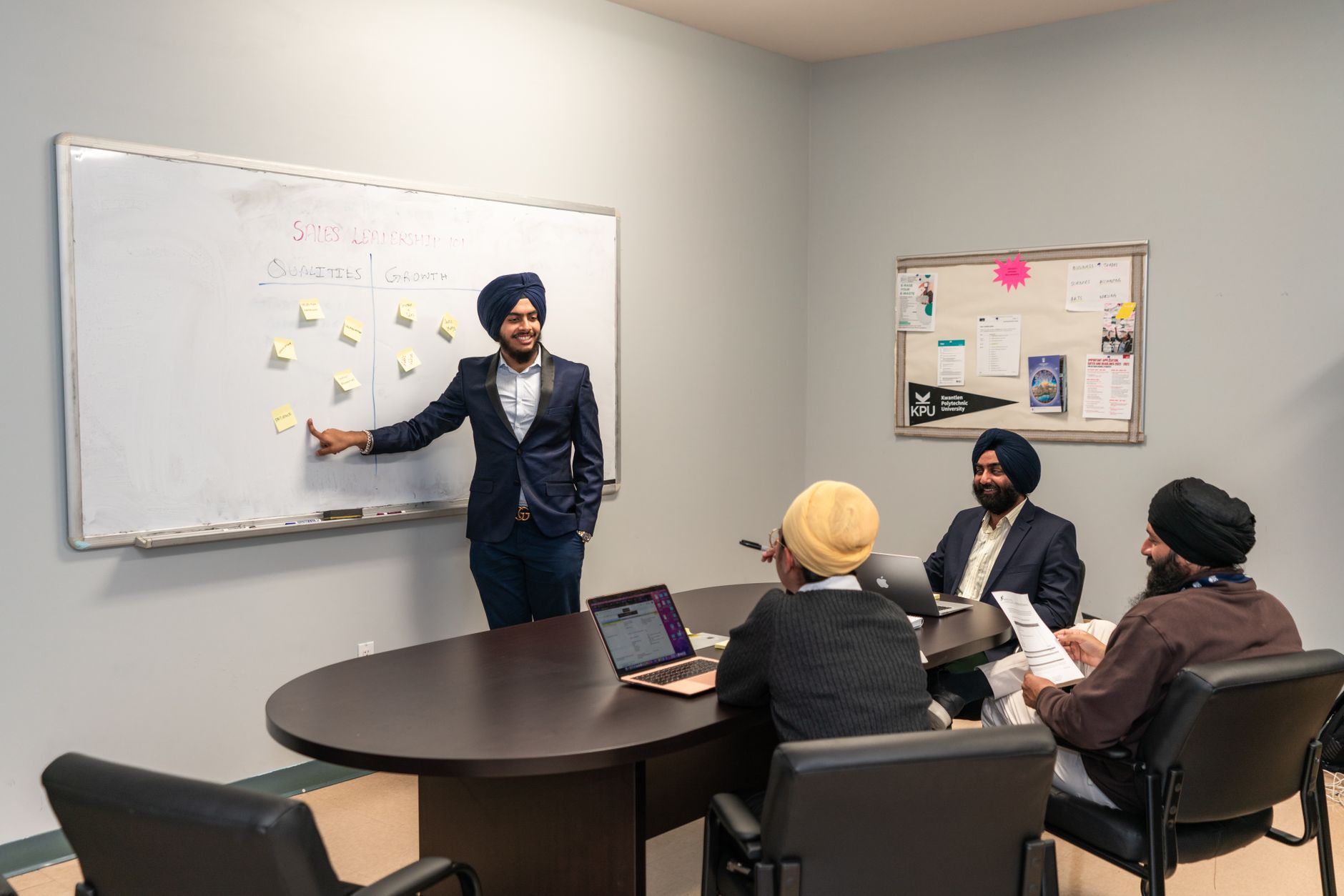
Spend real time here. Talk to five to ten people who fit your ideal client description. Ask open questions about what they have already tried and why it did not stick. This step alone often reshapes the entire program, and it is far cheaper to discover that now than after you have built forty slides.
I: Iterate on Structure Before You Iterate on Content
Once you know the transformation and the real problem, choose your structure before you write a single lesson. Decide whether this works better as a cohort-based group program, self-paced online course, a short workshop, or a blend of live sessions and 1-on-1 coaching.
Sketch the arc in broad strokes: how many phases, roughly how long, and what shifts at each stage. Resist the urge to write detailed content yet. A rough three-phase outline is enough to move forward.
L: Layer in Feedback Loops From the Start
Build a way to hear from participants while the program is running, not just at the end. This can be as simple as a short check-in message at the midpoint of a cohort, or a quick poll after each module in a self-paced course.
These loops do double duty. They help participants feel supported, and they give you real information you can use to improve the next version of the program before you have sunk more time into it.
D: Deliver, Then Evaluate Honestly
Launch the first version, even though it will not be perfect. A signature program improves through real cohorts of real people, not through more private editing. After delivery, sit down and evaluate honestly against the transformation sentence you wrote in the first step. Did participants actually move from the starting point to the ending point you described?

Use what you learn to refine the next round. Most strong signature programs were not designed perfectly the first time. They were built through two or three honest rounds of delivery and adjustment.
| Stage | Main Question You Answer | What You Produce |
|---|---|---|
| Brainstorm | What transformation am I actually creating? | One clear transformation sentence |
| Uncover | What is the real problem beneath the surface request? | Notes from five to ten real conversations |
| Iterate | What structure and format fits this transformation? | A rough three-phase program outline |
| Layer | How will I hear from participants along the way? | One or two built-in feedback checkpoints |
| Deliver | Did this actually create the transformation? | An honest evaluation and a plan for round two |
A signature program does not need to be perfect before launch. It needs a clear transformation, a workable structure, and a plan to improve it after real people move through it.
Applying BUILD to a Group Program
Say you are a growing entrepreneur planning a group coaching program for new managers. In the brainstorm stage, your transformation sentence might read: participants start unsure how to have hard conversations with their team, and finish with a repeatable process they trust.
In the uncover stage, conversations with real managers reveal that the actual fear is not the conversation itself, it is not knowing how to open it without sounding harsh. That insight reshapes your entire first module. In the iterate stage, you decide on a six-week cohort format with weekly live sessions rather than a self-paced course, because your participants told you they want accountability and real-time practice.
You layer in a short midpoint survey asking what is landing and what feels unclear, and you adjust week four based on what you hear. After the cohort finishes, you evaluate against your original transformation sentence and find most participants are having the hard conversations, but still hesitating on timing. Round two gets a new module addressing exactly that.
Why Sequence Matters More Than Speed
Every creator wants to launch quickly, and the BUILD framework does move fast when you follow the order. The programs that take the longest to launch are usually the ones where the creator jumps straight to content or marketing before clarifying the transformation and the real problem underneath it. Skipping steps does not save time. It just moves the confusion to a later, more expensive stage.
Where to Start This Week
If you are sitting on an idea for a signature program right now, do not open a slide deck. Open a blank document and write your transformation sentence first. Then schedule three real conversations with people who match your ideal participant. That is the entire first stage of BUILD, and it is enough to get real momentum started today.

